Mount Kilimanjaro
Africa's highest mountain and the world's tallest free-standing volcano — a bucket-list trekking and safari backdrop.
About This Destination
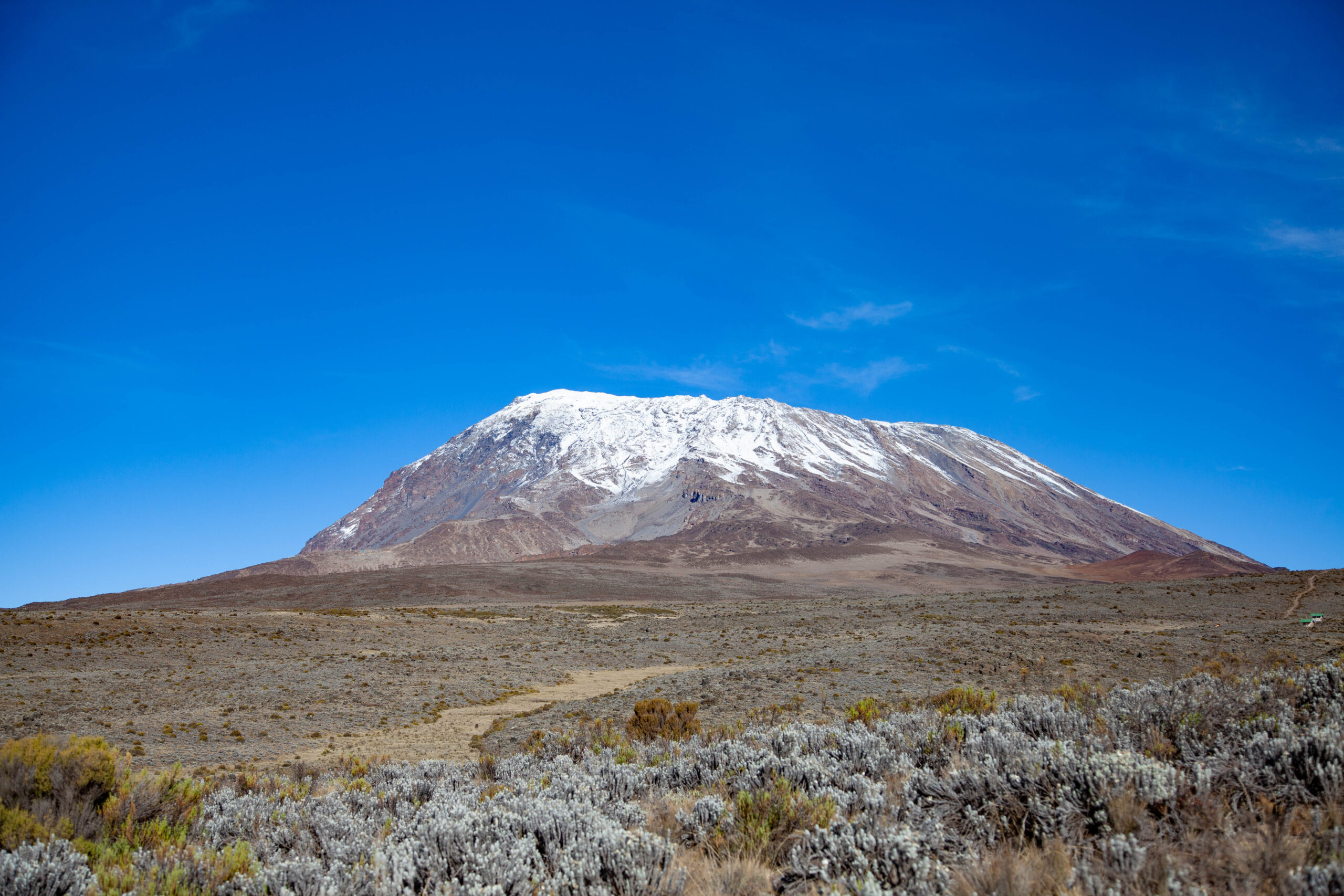
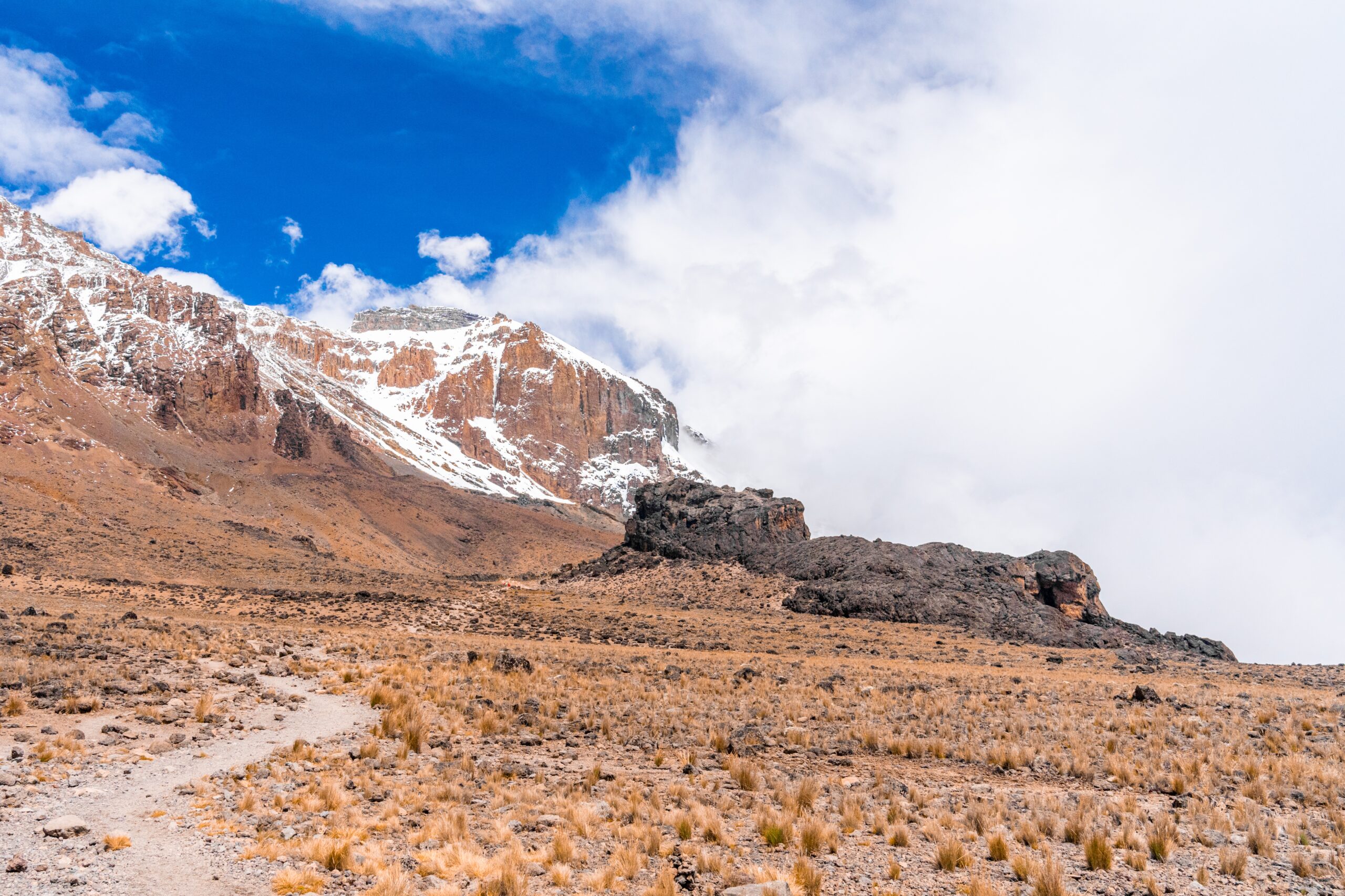
Mount Kilimanjaro stands at 5,895 metres above sea level — Africa’s roof and the world’s tallest free-standing mountain. Its iconic snow-capped summit rises dramatically above the Tanzanian savannah, visible from safari vehicles in Amboseli, Tarangire, and as far as Arusha.
Kilimanjaro is not just a trekking destination; it is a cultural landmark, a climatic wonder, and the most recognisable symbol of East Africa.
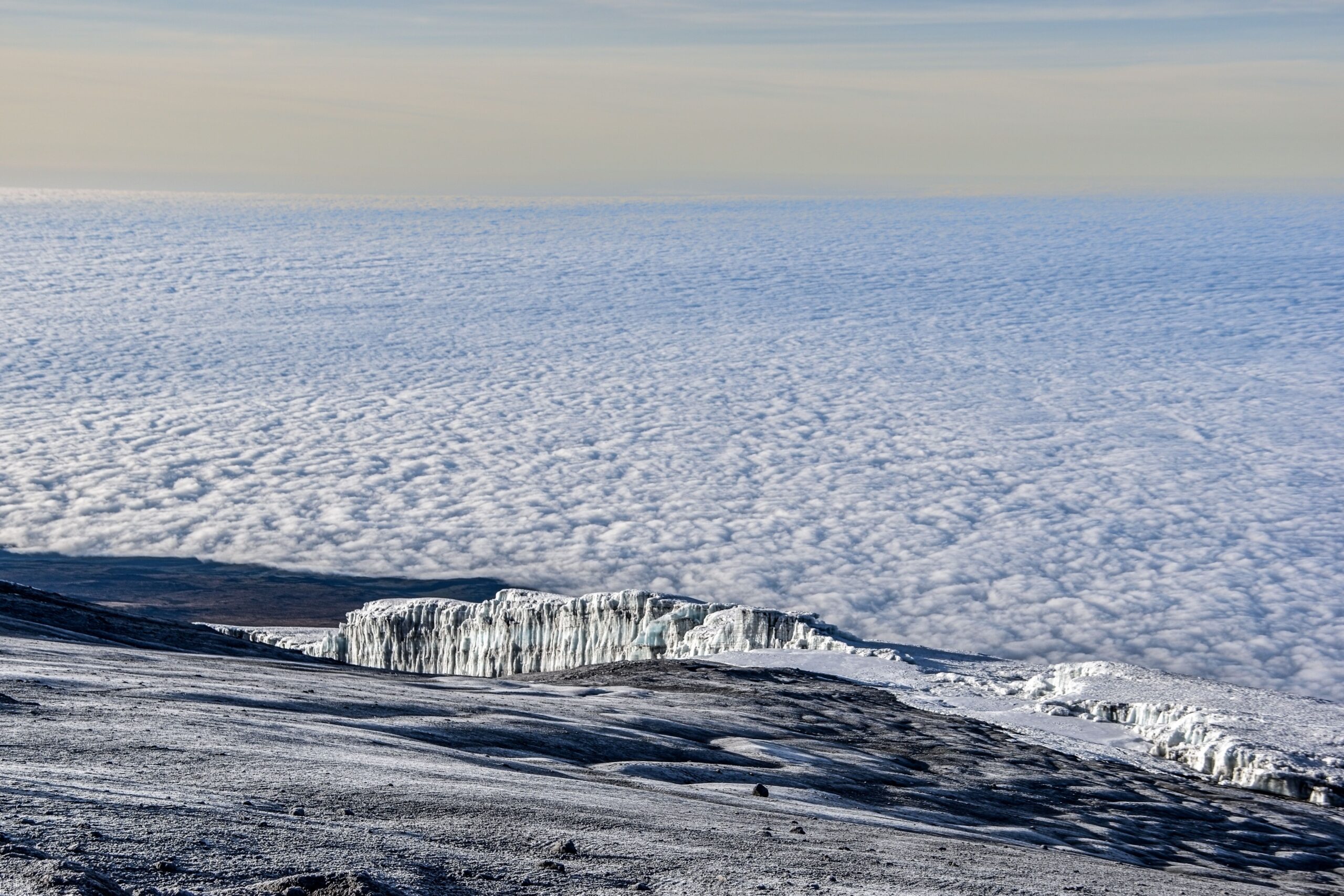
The mountain is divided into six distinct ecological zones from the base to summit: cultivated farmland, forest, heath, moorland, alpine desert, and the arctic summit zone.
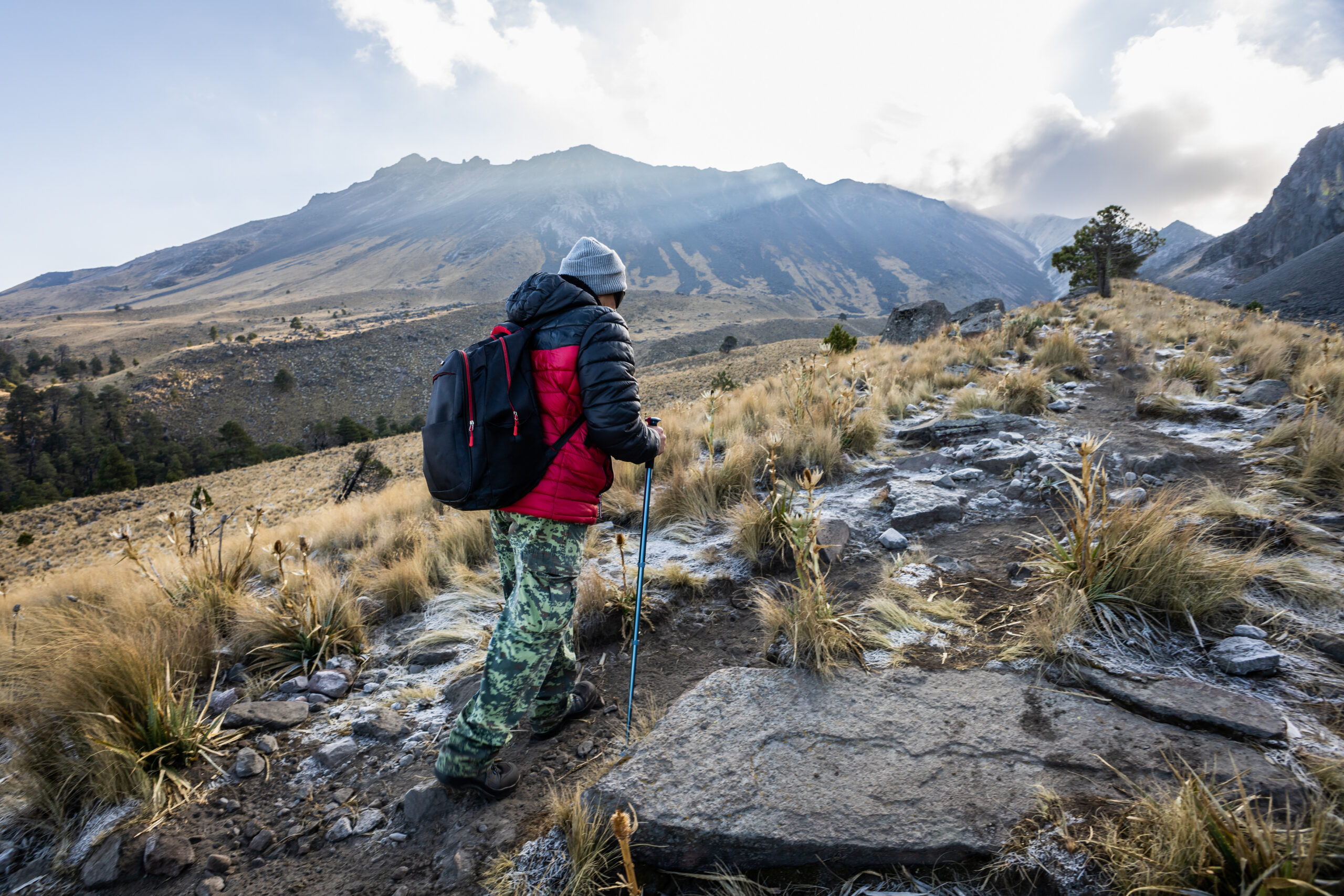
All major trekking routes — Marangu, Machame, Lemosho, Rongai, and Umbwe — are managed by Kilimanjaro National Park. The mountain is also accessible as a day hike to Mandara Huts via the Marangu Gate (2.5 hours from Arusha) without requiring a full summit attempt, making it a popular add-on to Northern Circuit safaris.
Destination Highlights
Top Experience
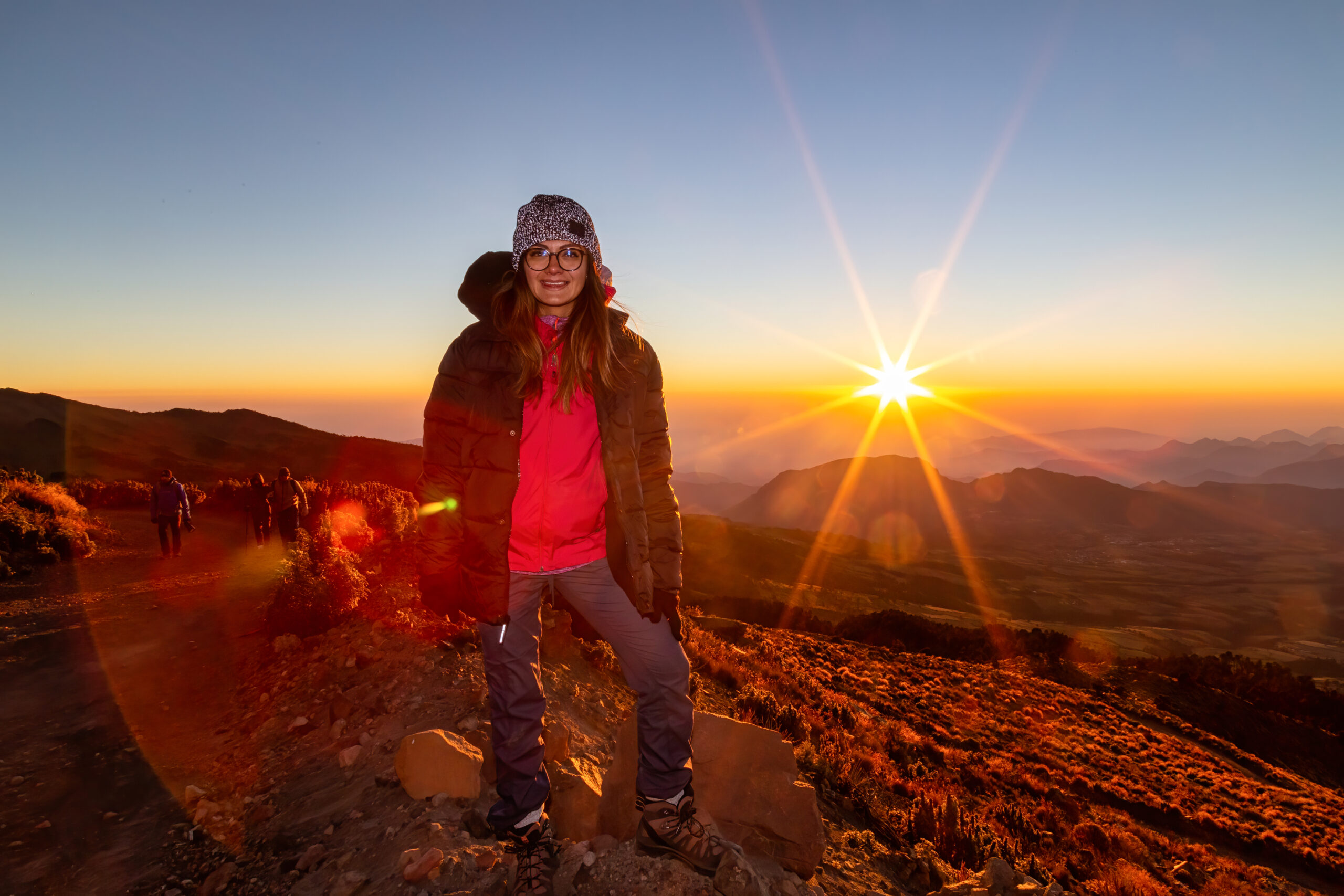
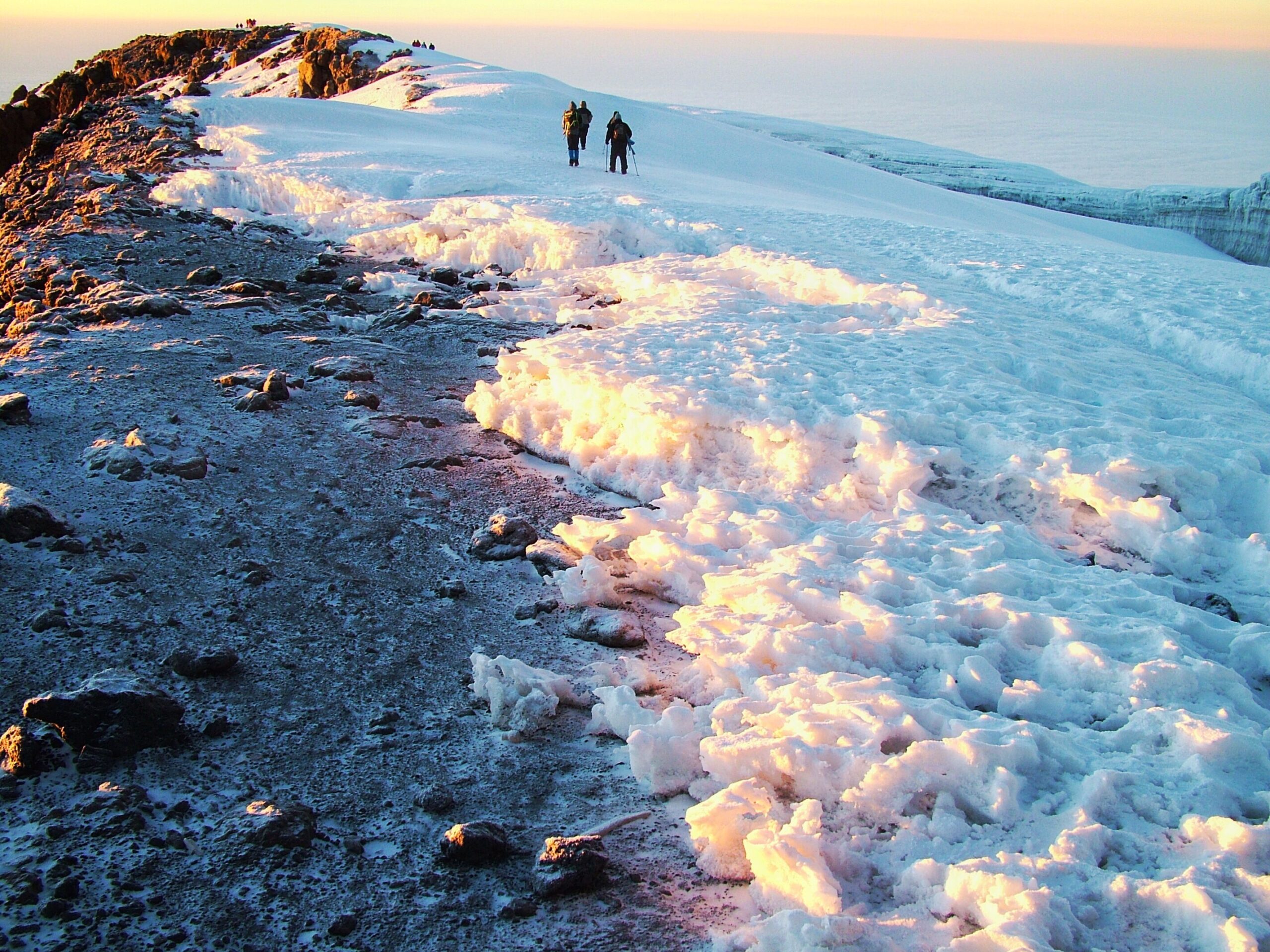
Summit Uhuru Peak, the “Roof of Africa”
Best Time to Climb
January–March & June–October
Climb Duration
5 to 9 days depending on route
Unique Feature
Trek through 5 climate zones in one journey
Difficulty Level
Moderate to challenging (no technical climbing)
Adventure Type
Bucket-list trekking & high-altitude experience
Best Time to Visit
Year-round; best summit windows are January–March and June–October
Location Map
Photo Gallery
Safari Packages Visiting This Destination
Frequently Asked Questions
Yes. We can build a safari around this destination and combine it with nearby parks and accommodation options.
We usually recommend combining this destination with other parks for the best safari flow.
Need Help Planning This Destination?
We can combine this destination with the right parks, accommodation level, and safari length for your trip.